November 4, 2026
Masonry restoration plays an essential role in preserving architectural integrity and extending the lifespan of residential and commercial structures. When property owners notice cracked joints, crumbling chimneys, or settling foundations, hiring an experienced masonry company ensures that every structural element receives meticulous care. The restoration process requires deep knowledge of historical building methods, material compatibility, and structural dynamics. Rather than applying temporary cosmetic patches, dedicated craftspeople address the underlying causes of decay to promote long-term stability and aesthetic appeal. Understanding what occurs during a comprehensive restoration helps building owners anticipate the work involved, prepare their properties, and appreciate the craftsmanship required to revitalize aging brick, stone, and concrete features.
Evaluate Conditions and Plans
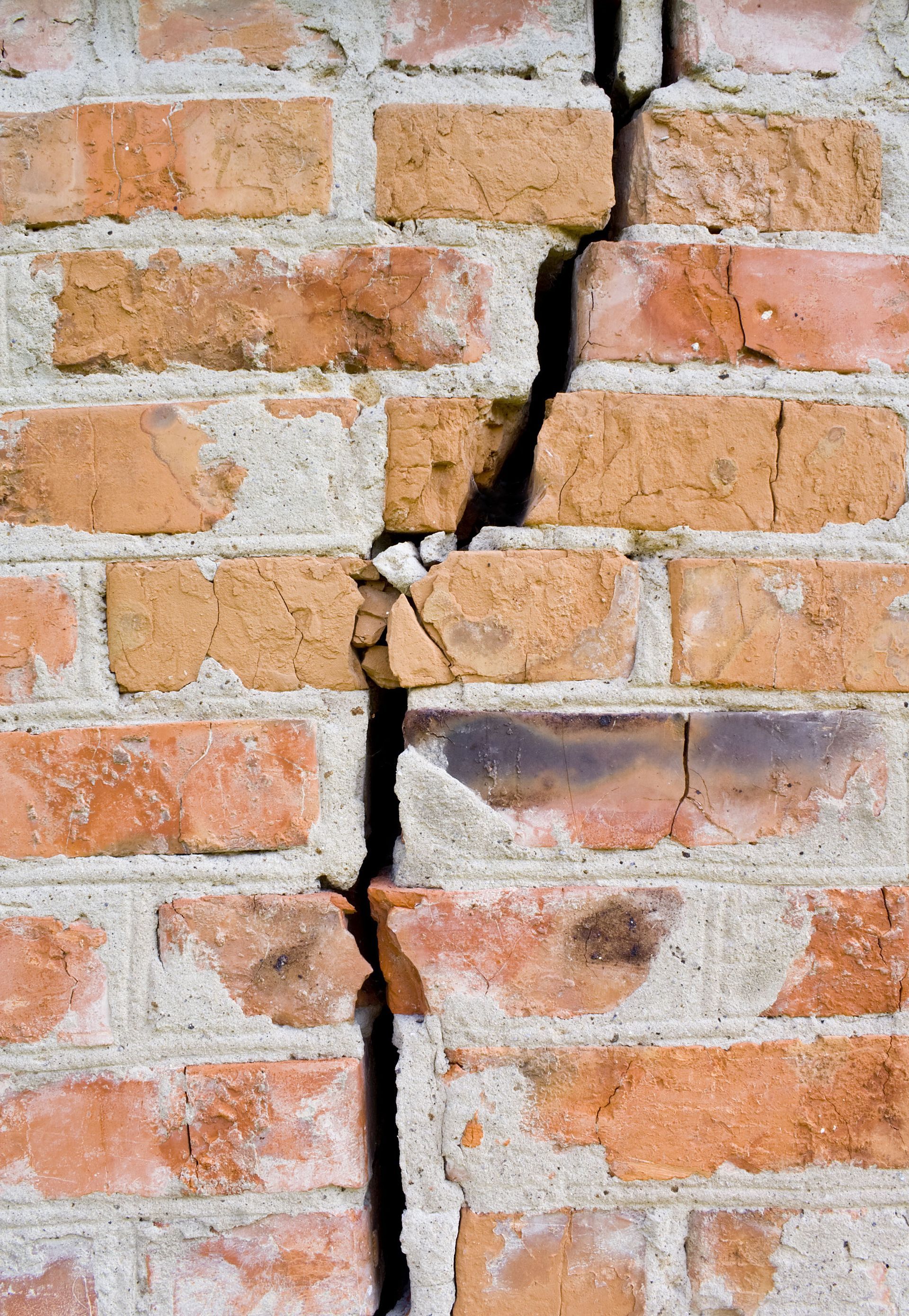
A successful restoration begins with an on-site consultation and thorough structural assessment. During this initial phase, a qualified masonry company inspects exterior walls, chimneys, retaining structures, and concrete foundations to identify visible defects alongside hidden vulnerabilities. Inspectors look closely for signs of water penetration, settlement cracks, spalling masonry units, and eroded mortar joints. Environmental factors, such as wind patterns, roof runoff, and regional freeze-thaw cycles, receive careful attention because moisture remains the primary catalyst for structural decay. Evaluating these conditions allows the restoration team to diagnose systemic failures rather than treating superficial symptoms alone.
Following the structural assessment, the team develops a clear scope of work and project schedule. This plan outlines required procedures, ranging from selective mortar grinding and brick replacement to chimney rebuilding and foundation stabilization. Setting a logical sequence of tasks prevents site conflicts, protects vulnerable building components, and allows adequate curing time for mortars and concrete mixtures. According to IBISWorld, annual revenue generated across the American masonry sector surpasses $40.7 billion, demonstrating the vast scale and vital role of masonry preservation in maintaining durable buildings nationwide. A structured project timeline helps property owners coordinate site access and follow milestone achievements.
Choose Materials and Components
Careful material analysis is fundamental to ensuring that all restorative repairs perform in harmony with the original structure. A knowledgeable masonry company evaluates the composition, compressive strength, and porosity of existing bricks and mortar before selecting replacement components. Older structures frequently feature softer, lime-based mortars that accommodate natural building movement and allow trapped moisture to evaporate safely. Applying modern, rigid Portland cements to historic brickwork creates severe internal stress, causing soft brick faces to fracture and spall over time. Specialists analyze aggregate sizes, sand colors, and binder ratios to formulate custom mortar blends that match the original installation in performance and appearance.
Sourcing appropriate masonry units and aggregates requires strong relationships with specialized material suppliers. Craftspeople take great care to acquire replacement bricks, natural stones, and concrete components that duplicate the texture, hue, and absorption characteristics of the existing structure. When exact replicas of vintage units are unavailable, artisans salvage compatible period materials or hand-dress new stones to achieve visual harmony across facades, exterior steps, and fireplace surrounds. Technicians also use breathable water repellents and specialized sealants designed to protect exposed chimneys, patios, and walkways from seasonal moisture penetration without trapping damaging vapor inside the wall assembly.
Perform Repairs and Tuckpointing
Physical restoration begins with meticulous surface preparation to expose sound masonry and remove destructive surface contaminants. Specialists clean exterior walls using gentle washes or controlled dry-brush methods, lifting atmospheric pollutants, biological growth, and mineral efflorescence without etching delicate brick surfaces. Once surfaces are clean, an expert masonry company grinds or hand-chisels damaged mortar joints to an appropriate depth, taking care not to nick or widen adjacent brick edges. This preparation creates a clean, square channel that accepts fresh mortar and creates a durable mechanical bond. Dust collection systems are implemented during cutting operations to keep the surrounding property clean and protected.
Actual repairs proceed according to the specific needs of each structural feature across the property. When restoring damaged chimneys, masons dismantle unstable brick courses down to sound masonry, rebuild the stack with compatible mortar, and pour reinforced concrete crowns to deflect precipitation. Foundation stabilization often involves repairing exterior cracks, applying waterproof membranes, and restoring retaining walls to resist lateral soil pressure. Fireplace repairs focus on relining fireboxes with heat-resistant refractory brick, while exterior concrete work addresses cracked driveways, settling patios, and crumbling walkways. Each intervention focuses on renewing structural stability while preserving the visual character of the original work.
Maintain Quality and Compliance
Maintaining outstanding workmanship throughout a project requires consistent adherence to established building codes and historic preservation guidelines. A reputable masonry company follows industry standards to ensure that all structural modifications, rebuilt chimney assemblies, and reinforced foundations provide lasting stability. Project supervisors inspect incoming raw materials to verify consistency across sand batches, pigments, and binders before work proceeds. They also supervise mortar placement, ensuring that technicians press fresh mortar firmly into prepared joints in successive layers to eliminate voids and prevent water pockets. Strict oversight guarantees that every repaired retaining wall or concrete walkway satisfies rigorous performance expectations.
Detailed documentation tracks jobsite progress and maintains clear communication between craftspeople and property owners. Supervisors log daily weather conditions, temperature swings, and humidity levels, as ambient temperature directly influences mortar hydration and curing speed. Regular photographic logs document conditions prior to demolition, during structural repairs, and after final tooling, providing owners with an enduring record of concealed craftsmanship. Routine updates keep clients informed about progress and allow prompt discussion whenever unforeseen conditions, such as rusted structural lintels or hidden masonry voids, arise. Maintaining thorough records ensures accountability and provides valuable guidance for long-term property stewardship.
Manage Hazards and Safety
Masonry restoration involves heavy materials, specialized equipment, and elevated work zones, making rigorous safety management indispensable. A conscientious masonry company enforces strict jobsite safety standards to protect craftspeople, building occupants, and nearby pedestrian traffic. Crews erect secure scaffolding systems, install perimeter guardrails, and place protective debris netting around multi-story facades and tall chimneys. Workers wear mandatory personal protective equipment, including respirators equipped with particulate filters to guard against airborne crystalline silica generated during cutting and grinding. Daily safety briefings review site hazards, material handling protocols, and clear paths of travel across the workspace.
Managing structural and environmental risks requires proactive planning before any physical demolition or repair commences. Technicians inspect older buildings for hazardous materials, such as historic lead paints, ensuring that disturbance conforms to containment regulations. Temporary shoring beams and structural braces are installed whenever masons rebuild load-bearing brick piers, compromised lintels, or settling foundation walls, preventing unintended movement during reconstruction. Proper waste management protocols ensure that discarded mortar chunks, damaged bricks, and wash runoff are gathered and disposed of responsibly. By implementing comprehensive safeguards, craftspeople complete demanding restorations safely without compromising structural integrity or surrounding landscaping.
Deliver Projects and Maintenance
As structural repairs and repointing reach completion, the team conducts detailed evaluations to confirm that all project objectives have been met. A dedicated masonry company performs a rigorous walkthrough alongside the property owner, inspecting tuckpointed joints, rebuilt chimneys, restored fireplaces, and newly poured concrete walkways or patios. Artisans clean away any lingering mortar smears from brick faces, ensure that flashing details deflect water away from wall cavities, and verify that weep vents remain clear. This collaborative review gives owners the opportunity to examine the completed craftsmanship closely, ask operational questions, and confirm that all agreed tasks have been executed with precision.
The concluding stage of the project centers on delivering comprehensive documentation and tailored maintenance advice to the client. Masons provide practical recommendations on how to care for newly restored surfaces, such as avoiding corrosive chemical deicers on fresh concrete driveways and keeping drainage gutters clear of debris to prevent wall saturation. Detailed care records outline best practices for ongoing preservation, giving owners peace of mind regarding the longevity of the finished restoration. By following tailored maintenance guidelines and arranging periodic inspections, property owners can preserve their restored brickwork, chimneys, and concrete features in pristine condition for decades to come.
A professional masonry restoration project revitalizes the structural integrity, visual appeal, and enduring value of historic and modern buildings alike. By navigating every phase with skilled craftspeople, property owners protect their investments against destructive weather, water infiltration, and natural material fatigue. When you need dependable restoration services for your chimneys, brickwork, foundations, or concrete surfaces, contact our team at Kruger Tuckpointing to schedule your next project.