October 10, 2026
Masonry is valued for its strength, durability, and ability to withstand changing outdoor conditions. Brick, stone, mortar, and concrete can all contribute to a strong structure when properly installed and maintained. However, even well-built masonry can develop problems as materials age and become exposed to moisture, temperature changes, settling, and everyday wear. Small cracks or damaged mortar may seem minor at first, but ignoring them can allow water and other elements to cause more extensive deterioration. Recognizing common masonry problems early can make repairs more manageable and help protect surrounding materials. A local masonry contractor can evaluate visible damage and determine which repair approach is appropriate for the affected area. Professional repairs can also address underlying issues instead of simply covering up visible symptoms. Understanding common masonry concerns can help property owners recognize when maintenance or repair may be necessary.
Repairing Cracked Mortar Joints
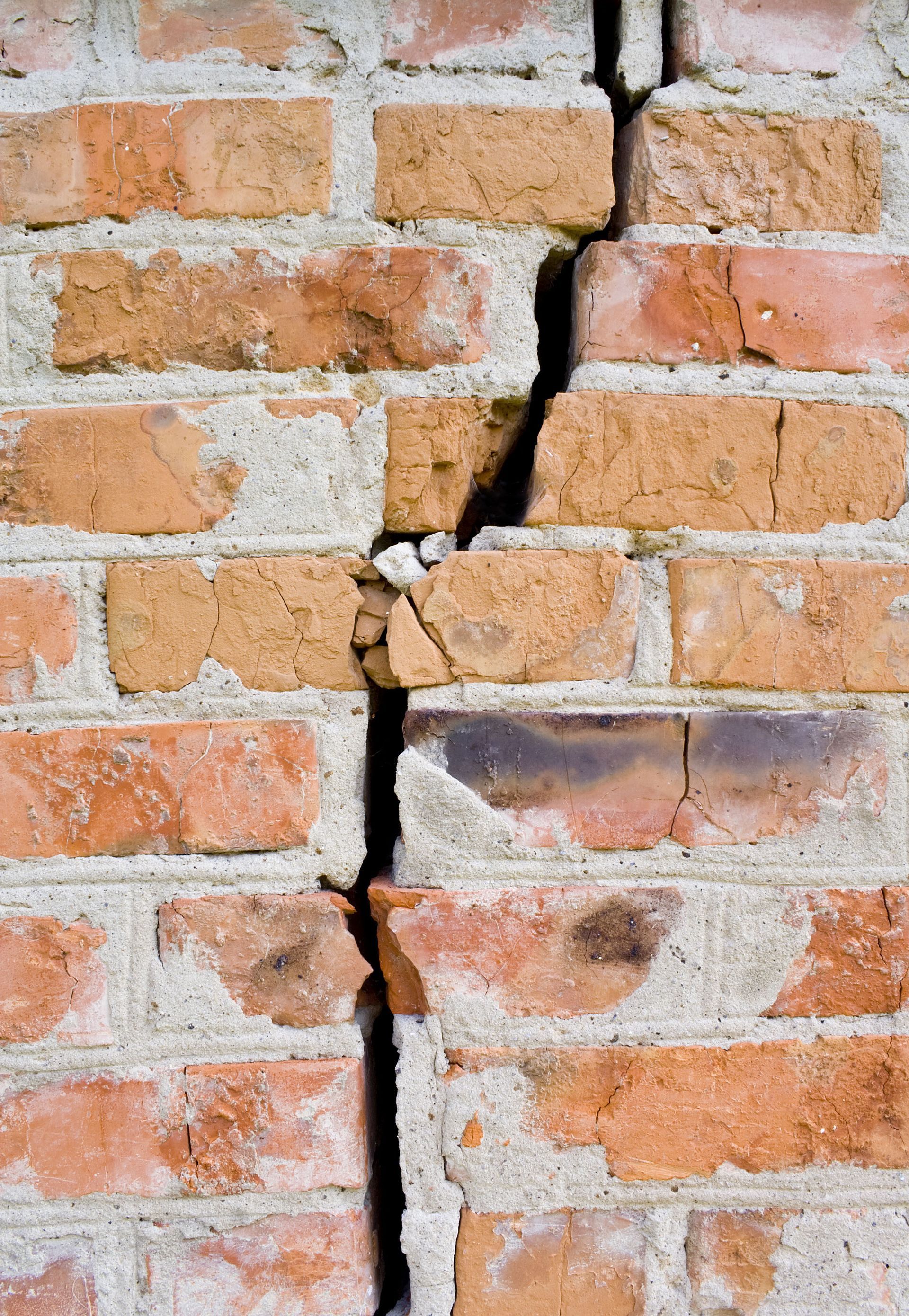
Mortar joints are essential because they connect individual masonry units and help create a stable wall surface. Over time, mortar can crack because of weather exposure, movement, moisture, or natural deterioration. Small cracks may allow water to enter the wall and reach areas that are more vulnerable to damage. If deterioration continues, sections of mortar can loosen or fall away from the joints. A local masonry contractor can inspect the affected areas and determine whether localized repairs or more extensive tuckpointing are appropriate. Damaged mortar is commonly removed carefully before new material is installed into the prepared joints. The replacement mortar should be compatible with the existing masonry to avoid creating additional stress. Addressing deteriorated joints early can help preserve the wall's appearance and protect its structural performance.
Addressing Loose or Damaged Bricks
Bricks can become loose, chipped, cracked, or displaced for several reasons. Moisture infiltration, freeze-thaw cycles, impact, and structural movement can all contribute to brick deterioration. Damaged bricks may also place additional stress on nearby mortar joints as their condition worsens. Repair typically begins with an assessment of the affected brick and the surrounding masonry. A local masonry contractor can carefully remove severely damaged units without unnecessarily disturbing adjacent bricks. Replacement bricks should be selected to provide a suitable match in size, appearance, and performance. Properly resetting the replacement unit helps restore the continuity of the masonry surface. Prompt attention can prevent isolated brick damage from developing into a larger section of deterioration.
Correcting Water Infiltration
Water is one of the most common factors contributing to masonry deterioration. Moisture can enter through damaged mortar joints, cracks, failed flashing, improperly sealed areas, or other openings in a building envelope. Once inside, water may contribute to staining, freeze-thaw damage, mortar deterioration, and damage to surrounding materials. Simply repairing the visible masonry may not solve the problem if the source of moisture remains. A local masonry contractor can examine the affected area and look for signs that indicate where water may be entering. Depending on the cause, repairs may involve replacing damaged masonry, improving drainage, or addressing related construction details. Controlling moisture helps protect repaired masonry from recurring deterioration. A complete approach focuses on both restoring damaged areas and reducing the conditions that caused the problem.
Restoring Deteriorated Tuckpointing
Tuckpointing involves removing deteriorated mortar from masonry joints and replacing it with fresh mortar. This process can restore the appearance of aging masonry while helping maintain the integrity of the joints. Over time, mortar can become soft, cracked, recessed, or separated from surrounding masonry units. When deterioration becomes widespread, simply adding new material over the existing surface may not provide a lasting repair. A local masonry contractor can remove damaged mortar to an appropriate depth before installing new material. Proper preparation helps the replacement mortar bond with the existing masonry and fill the joint effectively. The finished joints can then be tooled to create a consistent appearance across the repaired area. According to Statista, the number of masonry workers in the U.S. is projected to reach 326,600 in 2026, reflecting continued demand for skilled masonry work.
Repairing Efflorescence and Staining
White, powdery deposits on brick or masonry surfaces are often associated with efflorescence. These deposits occur when water moves through masonry and carries soluble salts toward the surface. Once the moisture evaporates, the salts can remain behind as visible residue. Efflorescence is usually a symptom of moisture movement rather than simply a surface appearance problem. A local masonry contractor can inspect the area to determine whether drainage, water entry, or another moisture condition may be contributing to the issue. Cleaning methods should be selected carefully so that the masonry and mortar are not unnecessarily damaged. Addressing the source of moisture can help reduce the likelihood of recurring deposits. Proper evaluation is important because staining can sometimes indicate a larger masonry or water-management concern.
Stabilizing Settled Masonry
Masonry walls can sometimes show signs of movement caused by settlement or changes in the supporting structure. Indicators may include stair-step cracks, horizontal cracks, separated joints, or areas where bricks appear displaced. The appearance and location of cracks can provide useful information about the type of movement affecting the masonry. Repairs should not focus only on filling visible cracks without determining why the movement occurred. A local masonry contractor can evaluate the affected wall and identify masonry damage that may require repair. In some cases, damaged bricks or mortar may need to be removed and replaced after the underlying condition has been addressed. Stabilizing the affected area can help restore a more consistent masonry surface. Early evaluation can also help property owners understand whether additional structural investigation is necessary.
Replacing Damaged Masonry Sections
Some masonry problems become too extensive for isolated repairs to provide an effective solution. Large areas of deteriorated brick, stone, or mortar may require partial rebuilding or replacement. This can happen when prolonged moisture exposure, repeated freezing and thawing, or structural movement has significantly weakened the masonry. Rebuilding requires careful removal of compromised materials while protecting portions that remain sound. A local masonry contractor can assess the extent of deterioration and determine which sections can remain and which need replacement. New masonry should be installed with attention to alignment, joint consistency, and compatibility with existing materials. Matching the existing structure can help the repaired section blend with the surrounding wall. Proper reconstruction can restore both the appearance and performance of severely damaged masonry.
Maintaining Masonry After Repairs
Masonry repairs can last longer when the surrounding structure receives consistent maintenance. Regular inspections can help identify new cracks, deteriorating joints, moisture problems, or damaged masonry before conditions become more serious. Property owners should also pay attention to gutters, downspouts, drainage, and other features that influence how water reaches masonry surfaces. Keeping these systems functioning properly can reduce unnecessary moisture exposure. A local masonry contractor can provide an evaluation when visible deterioration raises concerns about the condition of a wall or structure. Routine maintenance may also help identify areas where tuckpointing or localized repairs are appropriate. Addressing minor problems before they spread can reduce the scope of future masonry work. A proactive maintenance approach helps preserve the appearance, durability, and performance of masonry over time.
Protecting Masonry Through Professional Repairs
Masonry problems can range from minor mortar deterioration to extensive structural movement, and each condition requires an appropriate repair strategy. Cracked joints, damaged bricks, water infiltration, staining, settlement, and deteriorated sections should be evaluated rather than ignored. Timely repairs can help prevent small defects from developing into larger and more costly problems. Professional assessment also helps ensure that repair materials and techniques are compatible with the existing masonry. With regular maintenance and attention to moisture, property owners can help extend the useful life of masonry surfaces.
Kruger Tuckpointing can help property owners address deteriorated mortar, damaged masonry, and other common masonry concerns with appropriate repair solutions. Contact us to schedule an evaluation and take the next step toward preserving the condition of your masonry.